
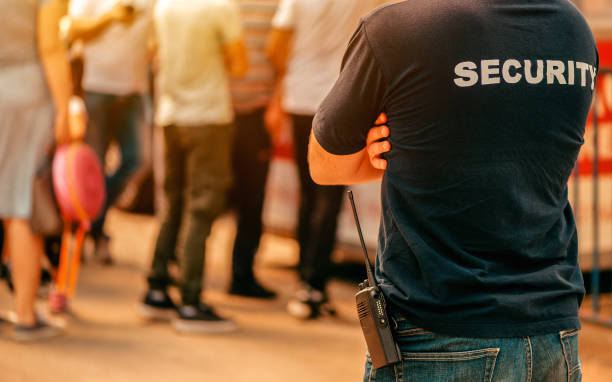
For many people, security used to mean locked doors, alarm systems, and emergency response teams. Today, the concept has expanded far beyond traditional protection methods. In large international cities, security awareness has become part of everyday decision-making for businesses, executives, public figures, and even families.
The rapid growth of technology, global travel, and digital exposure has changed how risks develop and how professionals respond to them. Security is no longer only about reacting to visible threats. Increasingly, it is about understanding environments, recognizing vulnerabilities, and preventing unnecessary risk before situations escalate.
As urban life becomes more interconnected, awareness itself has become one of the most valuable forms of protection.
The Modern Urban Environment
Cities like London and Dubai are designed around constant movement. Airports, transport systems, luxury hotels, business districts, and entertainment venues create environments where thousands of interactions happen every hour.
This level of activity brings opportunity, but it also creates unpredictability.
Modern urban challenges may include:
- Organized theft
- Crowd-related incidents
- Cyber-linked targeting
- Privacy concerns
- Opportunistic crime
- Public exposure through social media
In highly visible environments, even routine activities can attract attention.
For this reason, many organizations and individuals are increasingly turning toward private security solutions as part of broader risk management strategies rather than emergency-only protection.
Why Prevention Has Become More Important Than Reaction
One of the biggest changes in modern security philosophy is the emphasis on prevention.
Professional protection teams focus heavily on:
- Planning movement
- Assessing environments
- Identifying vulnerabilities
- Monitoring behavioral patterns
- Coordinating logistics
- Reducing unpredictability
This proactive approach is designed to prevent situations from developing into larger problems.
In many cases, the public never notices effective security because successful operations are intentionally discreet and unobtrusive.
The best protection work often happens quietly in the background.
How Professional Security Has Evolved
The image of security personnel standing at entrances or physically guarding individuals represents only a small part of modern protection work.
Today’s professionals may be involved in:
- Travel coordination
- Executive movement planning
- Event risk assessments
- Residential monitoring
- Surveillance operations
- Emergency preparation
- Secure transportation logistics
People who hire bodyguards London services are often looking for strategic support and peace of mind rather than visible displays of force.
Modern security professionals are expected to combine awareness, communication skills, professionalism, and rapid decision-making within constantly changing environments.
The Connection Between Visibility and Vulnerability
Digital platforms have significantly increased public visibility.
Business leaders, influencers, executives, and public figures frequently share:
- Travel updates
- Meeting schedules
- Event appearances
- Location information
- Lifestyle content
While this visibility can support branding and networking, it can also create patterns that expose routines and movements.
Professional protection teams increasingly advise clients on:
- Managing public exposure
- Reducing predictable behavior
- Protecting personal information
- Limiting unnecessary location sharing
This reflects the growing overlap between digital privacy and physical security.
Why International Security Requires Cultural Understanding
Protection strategies differ across regions because environments, laws, and social expectations vary significantly from one country to another.
Dubai is a strong example of a city where professionalism and cultural awareness are essential within the security industry.
Individuals who hire bodyguard Dubai services often require professionals who understand:
- Regional customs
- Business etiquette
- Luxury hospitality standards
- International travel coordination
- Local regulations
Security operations in global cities require more than technical skills. They also require adaptability and the ability to work respectfully within multicultural environments.
The Human Side of Protection
Despite advances in surveillance systems and security technology, human judgment remains central to effective protection work.
Security professionals must often make rapid decisions based on:
- Environmental conditions
- Crowd behavior
- Communication challenges
- Unexpected disruptions
- Emotional responses under pressure
This is why emotional control and professionalism are considered essential qualities within the industry.
The ability to remain calm during stressful situations helps create stability for everyone involved.
Why Situational Awareness Matters
Situational awareness refers to the ability to observe and understand what is happening within an environment while anticipating potential problems before they occur.
Experienced professionals continuously monitor:
- Entry and exit points
- Crowd dynamics
- Unusual movement
- Environmental changes
- Transportation access
- Emergency options
These observations help teams make small adjustments that reduce exposure to risk.
Situational awareness is not about fear or suspicion. It is about maintaining a practical understanding of surroundings in order to improve safety and decision-making.
Technology and the Future of Security
Modern security operations increasingly rely on advanced technology, including:
- GPS tracking
- Secure communications
- Surveillance monitoring
- Access control systems
- Real-time intelligence updates
These tools improve coordination and operational efficiency.
However, technology still depends heavily on human interpretation. Security professionals are needed to evaluate situations, recognize intent, and adapt to rapidly changing circumstances.
The future of protection will likely combine advanced systems with experienced human decision-making rather than replacing one with the other.
Security as Part of Everyday Planning
One of the most important changes in recent years is the way people think about security itself.
Protection is no longer viewed solely as a response to danger. Increasingly, it is becoming part of broader lifestyle and business planning.
Organizations routinely invest in:
- Cybersecurity
- Insurance
- Compliance systems
- Data protection
- Operational continuity
Physical security is now becoming another important layer within that structure.
As international travel, public visibility, and urban complexity continue increasing, thoughtful security planning is becoming less about fear and more about preparedness, stability, and responsible risk management.