
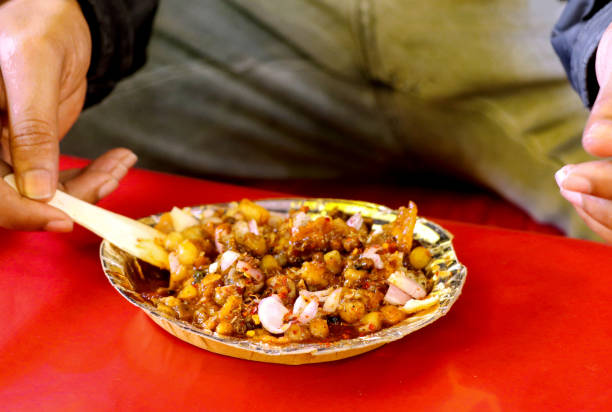
If you ask me, street food was never “out.” It was just underrated for a while. Now suddenly everyone is acting like they discovered it. Every second Instagram reel is someone biting into a loaded shawarma or dipping momos into red chutney like it’s some luxury tasting menu.
But honestly, why are street foods more popular than ever?
I think part of it is simple. People are tired. Tired of overpriced cafes charging 400 rupees for something that tastes like… nothing special. Meanwhile, a guy with a small cart outside the metro station is serving chole kulche that hits harder than most five-star brunches. And for less than half the price.
It’s not just about money though. It’s about feeling something real.
Inflation, Wallet Pain, and Reality Checks
Let’s be honest, eating out has become expensive. Like properly expensive. In India, even a simple dinner in a decent restaurant can cost what you’d spend on groceries for two days. Globally too, food inflation has been all over the place in the last few years. I read somewhere that in many cities, restaurant prices have gone up by more than 15% since 2021. That’s not small change.
Street food feels like a rebellion against that.
Financially speaking, it’s like choosing a budget airline instead of business class. You still reach the destination, maybe even faster. And sometimes, it’s more fun. You don’t need fancy interiors when the taste is doing all the talking.
I remember last month I was almost about to order food from a fancy app. The total bill showed 780 rupees for two items. I closed it. Walked outside. Ate pav bhaji for 120. Zero regrets. Maybe slight guilt about butter quantity, but that’s different.
Authenticity Beats Aesthetic
There’s also this big shift in what people want. Earlier, everyone wanted “presentation.” Perfect plating, soft lighting, clean table setups. Now? People want authenticity.
Street food is messy. It drips. It stains your shirt. It burns your tongue sometimes. But it feels alive.
Even on social media, you’ll see comments like “This looks so real” or “Finally not some fake influencer food.” There’s a weird pride now in eating from local vendors. It’s almost cool to say you found a hidden stall that serves the best dosa in town.
And I kinda love that.
Because street food has stories. That uncle making jalebi at 6 am has probably been doing it for 25 years. That’s not a marketing gimmick. That’s life.
Social Media Did Its Magic
Let’s not ignore the obvious. Reels and YouTube vlogs have turned street vendors into mini celebrities. There are people who travel city to city just to try viral street dishes. And once something goes viral, the crowd doubles overnight.
I saw this one pani puri stall get famous after a food blogger posted it. Next week, the queue was literally blocking traffic. Online hype works like compound interest in finance. Small attention becomes big attention. Then boom, everyone wants in.
There’s even this trend where people say, “If it’s crowded, it must be good.” Which isn’t always true, but mostly is.
Social media also made street food aspirational in a weird way. Not luxury aspirational, but experience aspirational. It’s about trying something unique. Something that’s not on every Swiggy banner ad.
Comfort in Uncertain Times
I might be overthinking, but I feel street food also connects to emotions. The world has been kinda unstable last few years. Pandemic, layoffs, constant news drama. People crave comfort.
Street food is nostalgic. It reminds you of school days, college bunking, late-night hunger with friends. It’s familiar. No thinking required.
There’s actually a psychological side to this. When people feel uncertain, they go back to known tastes. It’s like comfort investing. Instead of risky stocks, you put money in something stable. Instead of experimental cuisine, you go for samosa or vada pav.
It makes sense.
I’ve noticed even my friends who were super health-conscious for a while slowly came back to street eats. They’ll say, “I’ll just have one bite.” And then order full plate. Happens every time.
The Rise of Fusion and Creativity
Street food isn’t stuck in the past either. Vendors are experimenting more than some restaurants.
Cheese burst dosa. Chocolate pani puri. Butter chicken momos. Some combinations are honestly questionable. But people are trying them.
That creativity is interesting. Street food has become a lab for quick food innovation. Low cost, high experimentation. If it works, it sells. If not, next day something new.
From a business point of view, it’s smart. Low overheads. High volume. Direct customer feedback. No corporate layers. Just pure demand and supply in action.
In many cities, food trucks and organized street markets are becoming part of urban culture. It’s not just random carts anymore. It’s curated chaos.
Health Concerns but Still Popular
Of course, not everything is perfect. Hygiene concerns are real. We’ve all had that one regretful night after eating something too spicy or maybe not so fresh.
Still, popularity hasn’t dropped.
Some vendors are upgrading though. Gloves, cleaner setups, filtered water. Customers are more aware now. There’s pressure to improve. I’ve even seen stalls with QR code payments and Google reviews printed on boards. That’s wild if you think about it.
Street food has adapted faster than many traditional restaurants.
Community Feeling That Restaurants Can’t Copy
This part is underrated. Street food creates community. You stand next to strangers, sharing space, sometimes even sharing chutney accidentally.
There’s noise. There’s traffic. There’s conversation.
In fancy restaurants, everyone is in their own bubble. On the street, you’re part of something bigger. A random mini crowd united by hunger.
It sounds dramatic but it’s true.
I once ended up talking to a complete stranger while waiting for tandoori momos. We debated which stall was better. I don’t even remember his name. But I remember that evening.
That’s not something you get from a silent cafe corner.
Maybe We Just Like Real Things Again
If I have to sum it up without sounding too serious, I think people are choosing real over polished.
Street food is imperfect. It’s loud. It’s sometimes chaotic. But it feels honest.
In a world full of filters, curated feeds, and overpriced minimalism, a simple plate of hot street noodles feels grounded. You see it being cooked. You smell it. You wait for it.
There’s effort. There’s hustle.
And maybe that’s why street foods are more popular than ever. Not just because they’re cheaper. Not just because they’re tasty.
But because they feel human.
And honestly, I don’t see this trend slowing down anytime soon.