
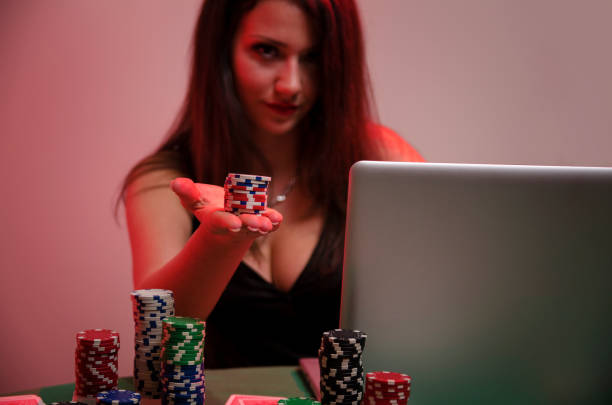
I’ll be honest, a few years ago when someone said “online casino,” I instantly thought of shady pop-ups, fake wins, and those ads that promise you’ll turn ₹100 into a Lamborghini by Sunday. I mostly ignored it. But lately? It’s everywhere. Twitter threads, Telegram groups, random Instagram reels of people flexing small wins, even friends casually saying, “Bro, I just play a little on weekends.”
So yeah, something clearly changed.
From Smoke-Filled Rooms to Phone Screens
Traditional casinos always felt like a movie thing to me. Big lights, fancy clothes, people who somehow know how to play poker without Googling rules every five minutes. Online casinos flipped that vibe completely. Now it’s more like ordering food on Swiggy. You’re in pajamas, half watching Netflix, half tapping your phone.
And convenience matters way more than people admit. Humans are lazy, respectfully. If something saves time and effort, we adopt it fast. Online casinos don’t ask you to travel, dress up, or even understand complex table etiquette. You just log in and mess around. That alone explains like 40% of the popularity, in my opinion.
Money Feels Less Real When It’s Digital
This part is slightly scary, but also fascinating. When you gamble with physical cash, you feel every note leaving your hand. Online, it’s just numbers on a screen. Clicking “Bet ₹500” doesn’t hurt the same way as handing over five crisp notes.
It’s kind of like UPI spending. People say they’re broke but somehow order food five times a week. Digital money messes with our brains. There was a small study I read about (don’t ask me the exact source, I forgot) that said people spend around 12–18% more when using digital payments compared to cash. Online casinos benefit from that exact psychology.
You don’t feel the loss immediately. Sometimes you don’t feel it at all until the bank balance looks… sad.
Social Media Made Gambling Look Normal
This is a big one nobody talks about openly. Gambling used to be seen as risky or even taboo in many places. Now it’s content. People post screenshots of wins, not losses. Influencers talk about “strategies” like they cracked some secret code.
Scroll Instagram long enough and you’ll see comments like “Which app is this?” or “Is it legit?” That curiosity spreads fast. Even Reddit has full communities breaking down slot mechanics and RTP percentages like it’s stock analysis.
And honestly, when you see ten people saying “I won today,” your brain forgets that maybe a hundred people lost quietly. Social proof is powerful, even if it’s incomplete.
It Feels Like a Game, Not Gambling
Online casinos did something smart. They gamified everything. Animations, sounds, daily rewards, spin wheels, streak bonuses. It feels closer to Candy Crush than a high-risk financial decision.
I once tried a slot game just to “see how it works.” Ten minutes later I was still there because every spin felt like it was almost winning. Almost. That’s not accidental. Game designers literally study how close-misses keep people engaged. Casinos borrowed that logic and turned it up.
When losing feels like part of the game, people stay longer. Simple but effective.
Bonuses Are Basically Digital Freebies
Everyone loves free stuff, even when it’s not really free. Online casinos throw welcome bonuses like confetti. 100% match, free spins, cashback, no-deposit offers. It’s marketing 101.
Think of it like food delivery apps giving discounts. You know prices are inflated, but the coupon still feels good. Same logic here. People join “just to use the bonus” and then slowly get comfortable playing with their own money.
A niche stat I saw floating around said nearly 70% of first-time online casino users join mainly because of bonuses, not because they planned to gamble seriously. That says a lot.
Privacy Makes It Easier to Say Yes
This part is underrated. Online casinos are private. No one sees you. No judgment. No awkward eye contact after losing three hands in a row.
For many people, especially beginners, that matters. You can experiment, fail, win, quit, all without anyone knowing. In cultures where gambling still carries stigma, this anonymity is a huge reason people even try it.
It’s the same reason people Google embarrassing health questions instead of asking a doctor first. Privacy lowers the barrier.
Tech Finally Caught Up
Five or six years ago, casino apps were clunky. Slow loading, bad design, payment issues. Now? Smooth interfaces, instant deposits, fast withdrawals, customer support that actually replies sometimes.
Add crypto payments into the mix and it gets even more interesting. Some players like the speed, some like the privacy, some just like feeling futuristic. Either way, better tech made online casinos less frustrating, which keeps people coming back.
If something works smoothly, people trust it more. Even if they probably shouldn’t trust it that much.
People Are Just Looking for Small Escapes
Not everything is deep psychology or manipulation. Sometimes people are just bored. Work is stressful, news is depressing, scrolling gets repetitive. A quick game gives a small adrenaline hit.
It’s similar to buying a lottery ticket. Most people don’t expect to get rich. They just enjoy the tiny “what if” moment. Online casinos offer that feeling instantly, anytime.
And yeah, sometimes people win. Even small wins feel exciting enough to justify trying again.
But Let’s Not Pretend It’s All Positive
I’d be lying if I said this trend is harmless. Online casinos are popular because they’re good at keeping attention and money flowing. That can spiral fast for some people. The line between fun and problem gambling gets blurry when it’s always in your pocket.
The popularity doesn’t mean it’s safe for everyone. It just means it fits perfectly into how modern life already works. Fast, digital, private, and slightly addictive.
That’s probably the most honest explanation.