
Maintaining a healthy and comfortable indoor environment is a top priority for every homeowner, yet one of the most critical components of this environment is frequently overlooked. Hidden behind the walls and ceilings, the network of air ducts in a residential property plays a silent, vital role in circulating air from heating, ventilation, and air conditioning systems into every room. Over time, these pathways accumulate dust, allergens, pet dander, mold spores, and everyday debris, which can drastically impact both indoor air quality and the operational efficiency of the system. Understanding how these systems work, recognizing the signs of buildup, and knowing when to seek professional intervention can transform a home, making it safer, cleaner, and more energy-efficient.
The Hidden Impact of Your Home Air System
Every single day, the HVAC system breathes in the air inside the house, conditions it, and pushes it back out through the ductwork. If the pathways through which this air travels are coated in layers of particulate matter, every cycle picks up microscopic pollutants and distributes them directly into living spaces. For families with children, elderly members, or individuals suffering from asthma, allergies, and other respiratory sensitivities, this continuous circulation of pollutants can lead to frequent coughing, sneezing, and worsened allergy symptoms.
Beyond health concerns, dirty air ducts act as a physical barrier to airflow. When dust and debris restrict the passage of air, the HVAC unit has to work significantly harder to reach the desired temperature set on the thermostat. This extra strain forces the equipment to run longer cycles, leading to premature wear and tear on expensive mechanical parts, higher monthly energy bills, and an increased likelihood of unexpected system breakdowns during peak summer or winter months.
Recognizing the Warning Signs of Contaminated Ducts
Because air ducts are largely out of sight, homeowners often struggle to determine when it is time to clean them. Fortunately, the system and the surrounding environment usually provide clear indicators that maintenance is overdue.
Visible dust accumulation around supply and return vent covers is one of the most common signs. If wiping away dust from these registers only to see it reappear a day or two later occurs, the source is likely inside the ductwork itself. Another major warning sign is a persistent, musty odor whenever the furnace or air conditioner kicks on, which often points to mold growth or trapped moisture within the dark interior of the metal or flexible pipes.
Unexplained allergy flare-ups among household members while spending time indoors can also signal poor air quality stemming from dirty ventilation pathways. Additionally, if certain rooms in the house feel stuffy, receive inadequate airflow, or show sudden, unexplained spikes in monthly utility bills, the underlying culprit is frequently a blocked or restricted duct system.
The Professional Cleaning Process
While homeowners can easily change standard air filters and clean surface registers, thorough duct cleaning requires specialized tools, high-powered equipment, and professional expertise. Attempting to clean deep into the system with household vacuums is not only ineffective, but it can also dislodge debris and push it further into hard-to-reach areas.
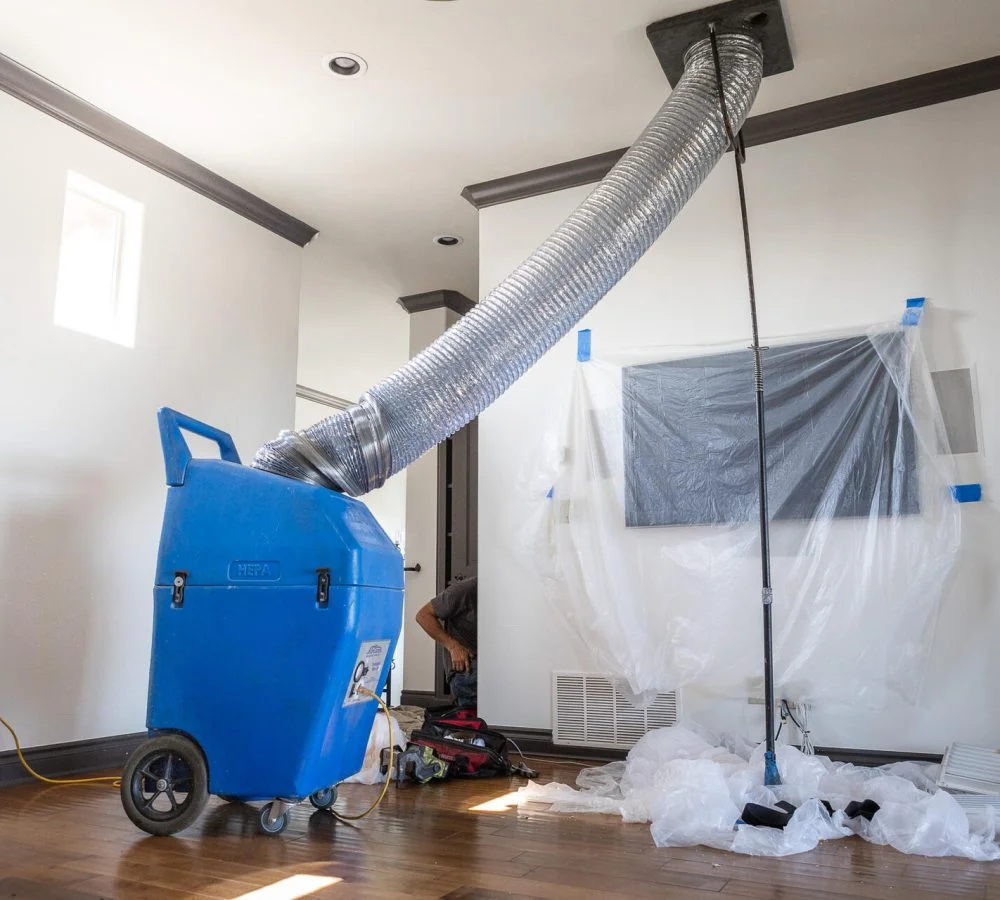
Professional technicians utilize heavy-duty vacuum systems that create powerful negative pressure within the duct network. While this negative pressure pulls all dislodged particles safely out of the home and into a containment unit, specialized rotary brushes and agitation tools are used to scrub the interior walls of the ducts, loosening stubborn layers of dust and grime. This comprehensive method ensures that the entire system, from the main trunk lines down to the individual supply boots, is thoroughly sanitized and cleared of contaminants.
Proactive Steps for Long-Term Air Quality
Keeping an HVAC system running efficiently does not stop with a single cleaning session. Homeowners can take several proactive steps to maintain clean indoor air and protect their investment between professional visits.
The single most impactful maintenance task is replacing the HVAC air filter on a regular schedule, typically every one to three months depending on household usage, the presence of pets, and local environmental conditions. High-efficiency pleated filters capture a much higher percentage of airborne particles than cheap fiberglass filters, preventing them from ever reaching the ductwork in the first place.
Sealing air leaks and insulating ducts located in unconditioned spaces like attics, crawlspaces, and garages also plays a major role in system efficiency. Leaky ducts allow conditioned air to escape into unused spaces while simultaneously drawing in dust and insulation fibers from those areas, contaminating the air supply. Ensuring that all joints are properly sealed with mastic or foil tape keeps the airflow secure and clean.
Controlling indoor humidity levels is another vital strategy for preventing mold growth within the ventilation network. Using dehumidifiers in damp basements and ensuring that bathroom and kitchen exhaust fans vent properly to the outdoors helps keep moisture levels low, denying mold spores the damp environment they need to thrive.
Choosing Reliable Expert Services
When it is time to address ventilation maintenance or deep cleaning needs, partnering with a trusted professional service provider makes all the difference. Qualified technicians bring the right equipment, industry knowledge, and transparent pricing to every job, ensuring that the work is done safely and effectively. For homeowners seeking dependable solutions and experienced professionals who prioritize health, efficiency, and customer satisfaction, turning to trusted industry specialists like Go Air Ducts ensures the job is handled with the highest level of care.
Investing in regular HVAC maintenance and professional duct cleaning is an investment in the health of your household and the longevity of your home equipment. By staying vigilant, recognizing the warning signs of contamination, and adopting proactive habits, you can enjoy a cleaner, more comfortable living space all year round. To schedule your service and secure your home’s well-being, click here.