
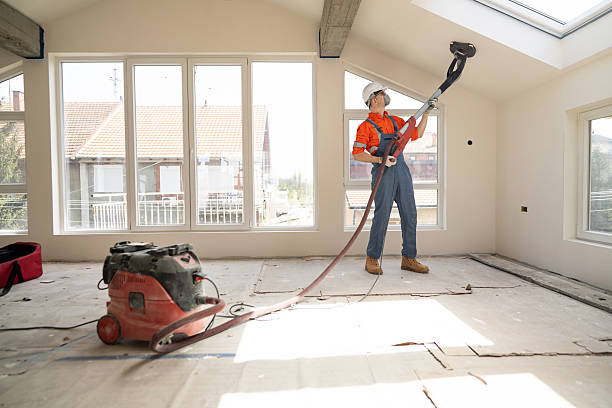
If you’ve ever walked into a factory floor early in the morning, before machines start roaring, you’ll notice something instantly — the smell. Not always bad, just… heavy. Oil, dust, metal particles, sometimes chemicals hanging in the air like yesterday’s work never fully left. That’s honestly where Industrial Cleaning Services quietly become the unsung hero of workplace safety. Most companies don’t think about cleaning until something slips, leaks, or fails an inspection. And yeah, that’s usually already too late.
I used to think industrial cleaning was just bigger mops and stronger soap. Turns out, not even close. Industrial environments collect hazards you can’t even see — microscopic dust, grease layers that slowly turn floors into skating rinks, or airborne residue that workers breathe every single shift. It’s kinda like ignoring plaque on teeth; nothing seems wrong… until suddenly everything is.
Safety isn’t just helmets and warning signs
A lot of workplaces invest heavily in PPE, training videos, and safety posters. You know those bright yellow posters everyone stops noticing after week two? But cleanliness is often treated like background maintenance instead of active risk prevention. Funny thing is, workplace incident reports often mention environmental causes — slippery floors, blocked exits, poor air quality — way more than people realize.
There’s this lesser-known stat floating around safety forums online: a surprising percentage of workplace injuries in manufacturing environments are related to poor housekeeping rather than equipment failure. Not dramatic explosions or movie-style accidents, just small preventable things stacking up. Dust buildup near machinery can overheat systems. Spilled lubricants slowly expand into walking hazards. Even cluttered storage areas become compliance problems during audits.
And honestly, inspectors notice everything. I’ve read stories on LinkedIn where facility managers said audits felt less about paperwork and more about does this place look under control? Clean spaces signal discipline. Messy environments scream risk.
Compliance feels boring… until fines show up
Nobody wakes up excited about compliance regulations. OSHA rules, environmental guidelines, safety documentation — it sounds like admin overload. But cleaning directly ties into most compliance standards whether companies realize it or not.
Think of compliance like filing taxes. You don’t care about deductions until penalties arrive. Industrial cleaning helps companies avoid those surprise moments where inspectors start asking uncomfortable questions. Proper waste removal, sanitized work zones, and controlled contamination areas all show that processes are actually being followed, not just written in manuals gathering dust.
One plant supervisor shared online that their inspection went smoother simply because floors, vents, and equipment bases were visibly clean. Inspectors apparently assume organized cleaning routines reflect organized safety systems. Makes sense honestly — chaos rarely exists in just one department.
Air quality matters more than people admit
Here’s something people underestimate: air contamination doesn’t always look dramatic. No smoke clouds or visible pollution. Just fine particles slowly circulating. Workers might complain about headaches or fatigue, but nobody connects it immediately to cleanliness.
Industrial cleaning teams often focus on high surfaces, ventilation areas, and machinery zones where dust quietly accumulates. It reminds me of cleaning ceiling fans at home — you forget they exist until you finally wipe them and realize how much junk was flying around above you.
On Reddit threads about warehouse work, employees often say they notice mood improvements after deep cleaning schedules start. Less coughing, fewer allergies, even better concentration. Sounds small, but productivity and safety overlap more than companies expect.
Cleaner spaces actually change worker behavior
This part surprised me the most. Humans naturally mirror their environment. When a workspace looks maintained, employees tend to keep it that way. When it looks messy, people subconsciously stop caring.
It’s similar to that broken window theory people talk about online. One ignored mess leads to another. Before long, tools are left out, spills aren’t reported quickly, and safety discipline slowly erodes. Clean environments create psychological accountability without anyone saying a word.
I once visited a production unit where floors literally shined. Workers automatically cleaned minor spills themselves because the standard was already set. Nobody wanted to be the person who messed it up. That culture didn’t come from strict rules — it came from consistent professional cleaning support.
Equipment lasts longer when grime doesn’t win
Machines hate dirt. Okay, maybe hate is dramatic, but contamination absolutely shortens equipment lifespan. Dust mixes with lubricants, debris blocks cooling systems, and residue causes overheating. Maintenance teams often end up fixing problems that started as cleaning issues weeks earlier.
Think about your laptop fan getting clogged. Performance drops before you even realize why. Industrial machinery works the same way, just with much higher repair costs attached.
Facility managers sometimes mention online that regular deep cleaning reduced unexpected downtime more than expensive upgrades did. That’s kind of wild when you think about it — prevention beating investment.
The social media effect nobody expected
There’s also a weird modern factor: reputation. Workers share workplace photos online all the time now. TikTok, Instagram reels, even casual posts. A dirty facility doesn’t stay private anymore.
Companies with visibly clean, organized industrial spaces often attract better job applicants. Younger workers especially talk about workplace environment almost as much as salary. A clean facility signals professionalism and care, which surprisingly helps retention too.
It’s funny because cleaning used to be invisible work. Now it quietly shapes employer branding without marketing teams even planning it.
Why consistency matters more than occasional deep cleaning
Some businesses still treat cleaning like a reaction. Something goes wrong, then they schedule a massive cleanup. But safety and compliance don’t work in bursts. They need rhythm.
Regular maintenance cleaning prevents small risks from becoming expensive problems. It’s like going to the gym occasionally versus building a routine. One intense effort doesn’t fix months of neglect.
By the time companies realize the value, they usually wish they started earlier. Toward the end of operational reviews, managers often recognize that consistent Industrial Cleaning Services weren’t just about appearance — they were quietly supporting safety records, smoother audits, and fewer daily headaches.
And honestly, that’s the part people miss. Cleaning isn’t glamorous. Nobody celebrates it in meetings. But when accidents don’t happen, inspections pass smoothly, and workers go home safe, that invisible work suddenly feels pretty important. Maybe even essential, even if it doesn’t get the spotlight.