
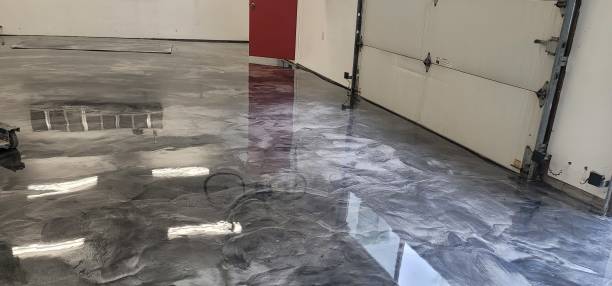
Areas that get washed often need more from a floor than a clean appearance. Frequent water, detergents, temperature changes, and foot traffic can expose weak spots in a coating fast. A properly designed epoxy flooring system can handle regular washdowns well, but its performance depends on drainage, surface texture, chemical resistance, and the condition of the concrete below.
Why Epoxy Works Well in Wet, Washdown-Heavy Spaces
Seamless epoxy floors leave few joints where dirty water, grease, or cleaning residue can collect. Water stays on the coated surface instead of soaking into bare concrete, which makes routine cleaning easier in garages, food-service areas, workshops, and many commercial spaces. Once the coating cures, it also creates a hard surface that resists the repeated scrubbing and rinsing that would slowly wear down untreated concrete. Proper sealing can also limit staining from oils, food residue, and other liquids that often reach floors during normal work.
Drainage Matters as Much as the Coating Itself
Floor drains need to sit at the right elevation so rinse water has somewhere to go. Slopes should guide liquid toward those drains rather than leaving puddles around walls, equipment, or doorways. Standing water can increase slip risk and give aggressive cleaners more time to sit on the finish.
Because of that, installers often inspect drainage before recommending commercial epoxy flooring. Low spots may need patching or resurfacing before the coating goes down. Correct shaping helps the floor shed water instead of relying on workers to push every puddle away by hand. Drain edges also need careful coating work because gaps around them can become entry points for moisture.
How Much Texture Does a Washdown Floor Need?
Texture changes how safe and practical a wet epoxy surface feels. Smooth finishes are easier to mop, but they can become slick once soap, oil, or rinse water covers the floor. Added aggregate, decorative flakes, or other traction media can create more grip without making the surface excessively rough. Balanced texture matters because deep profiles can trap soil and slow cleaning, while very fine finishes may not provide enough traction for wet shoes or rolling equipment.
Cleaning Chemicals Can Change the Flooring Specification
Commercial cleaners range from mild detergents to strong degreasers, sanitizers, acids, and alkaline products. Harsh chemistry can soften, dull, stain, or discolor a coating that was never designed for that exposure. Material selection should therefore match the products used during normal washdowns, not just the amount of water involved.
Strong topcoats can add another layer of defense over the epoxy base. Repeated contact with chemicals usually affects the uppermost layer first, so a compatible polyurethane or polyaspartic finish may improve resistance and make cleanup easier. Heat also matters because very hot wash water can place more stress on resin than cool water. Product data should be reviewed against the actual cleaners used at the property, including concentration and contact time.
Temperature Swings Put Extra Stress on the Floor
Temperature changes can make concrete and coating materials expand and contract at different rates. Facilities that use hot-water pressure washing, steam, or cold rinses may create sharper thermal swings than a residential garage. Installers should account for those conditions when choosing the resin, topcoat, joint treatment, and overall system build. Gradual changes are easier on a floor than sudden shifts, especially around drains, doorways, and areas where hot equipment meets cooler concrete. Rapid thermal shock can stress rigid materials enough to encourage cracking or loss of bond in vulnerable spots. Joint details become especially important where separate slab sections move differently during repeated heating and cooling cycles over years of service.
What Should Property Owners Ask Before Installation?
Homeowners looking for an epoxy garage floor near me should ask whether the system can handle wet tires, occasional hose cleaning, detergents, and standing water near the garage door. Likewise, businesses comparing epoxy floors near me should describe their actual washdown routine, including water temperature, cleaning products, frequency, drainage, and the type of traffic that crosses the floor.
Searching for epoxy flooring near me can bring up many similar-looking options, yet the details underneath matter more than color samples. Useful discussions with epoxy floor companies should cover surface preparation, moisture testing, slip resistance, joint treatment, chemical exposure, and expected cleaning methods before the installer recommends a specific coating system. Clear answers make it easier to compare systems built for wet service rather than finishes chosen mainly for appearance.
Routine Maintenance Still Affects Long-Term Performance
Squeegees, soft-bristle brushes, and suitable cleaners help remove water and residue without attacking the finish. Maintenance crews should avoid leaving concentrated chemicals or dirty rinse water on the surface longer than necessary, especially around drains and low areas. Managers also need to watch for chipped edges, damaged joints, or cracks that open over time because these defects can let water reach the concrete beneath the coating. Elite Coastal Epoxy can help residential and commercial property owners choose a floor system suited to frequent cleaning, wet conditions, and the traffic the space sees every day.