
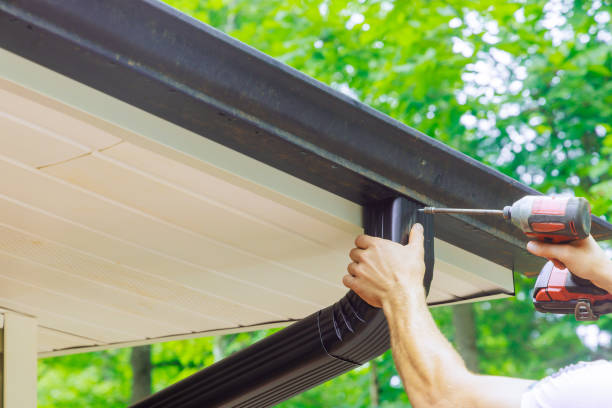
A few inches of poorly placed guttering can turn an ordinary rainstorm into an expensive problem. Water that misses the gutters or drains in the wrong direction can slowly damage siding, landscaping, and even the foundation. These issues often begin with small design mistakes that homeowners don’t notice until repairs become necessary.
Undersized Gutters Can Leave the Foundation Exposed
Gutter size affects how much roof runoff a drainage system can handle during heavy rainfall. A five-inch gutter may work well on a smaller roof, but steep slopes and large drainage areas sometimes require six-inch gutters or additional outlets. If the channel cannot handle incoming water, overflow may wash away soil along the foundation. Repeated saturation can contribute to basement moisture problems and soil movement, especially where yard drainage is already poor. Proper rain gutter installation accounts for roof area, rainfall intensity, and the amount of water reaching each section.
Downspout capacity deserves equal attention. Installing larger gutters without increasing outlet capacity may leave water backing up during storms. Contractors should calculate the expected flow and determine whether the proposed downspouts can carry it away. Correcting these details during installation generally costs less than repairing water-damaged walls or drainage problems later.
Poorly Planned Downspout Outlets Can Damage Landscaping
A downspout that empties directly onto a flower bed or sloped lawn can gradually wash away mulch, soil, and plant roots. Concentrated runoff may also carve channels through the yard or collect beside walkways. Homeowners searching for gutter companies near me should ask contractors to examine where downspouts discharge before approving the layout. An experienced gutter company can recommend extensions, splash blocks, or suitable drainage connections to move water away from vulnerable areas without creating problems elsewhere on the property.
Incorrect Gutter Pitch Can Cause Expensive Wood Damage
Gutters need a gradual downward slope to move water toward their outlets. A section installed too level may hold standing water, while a reverse slope sends runoff away from the downspout. Trapped moisture encourages debris buildup and increases the weight supported by gutter hangers. Over time, sagging sections may pull away from the fascia, allowing water to reach exposed wood. Replacing rotted fascia and damaged soffits can cost considerably more than correcting the original gutter alignment.
Poor hanger placement can make the situation worse. Fasteners installed too far apart may allow the gutter to bend between support points, changing its intended slope. Homeowners comparing gutter installation near me services should ask how contractors establish drainage pitch and determine hanger spacing. These measurements help preserve the gutter’s shape and prevent water from collecting where it should be draining.
Missing Drainage Details Can Lead to Roof Edge Repairs
The connection between the roof covering and gutter is another area where small mistakes become costly. Missing or poorly positioned drip-edge flashing can allow water to follow the underside of shingles and reach the fascia instead of entering the gutter. Over time, moisture may cause paint failure, wood decay, and damage to nearby soffits. Replacing gutters alone will not correct this problem if the roof-edge flashing remains defective.
Corners and end caps require careful planning as well. Poorly fitted joints can leak repeatedly, especially where roof valleys direct heavy runoff toward a short gutter section. Sealant may temporarily reduce leaking, but badly aligned connections often need proper repair. Professional gutter installation should account for roof-edge conditions, corner fittings, and concentrated drainage before crews attach the new sections.
A Poor Gutter Layout Can Make Future Repairs More Expensive
Gutter systems should allow reasonable access for cleaning, inspection, and maintenance. Downspouts placed behind hard-to-reach structures or gutters installed too close to roofing materials can make routine work difficult. Poor access may increase labor costs when crews need to clear blockages or replace damaged sections. A rain gutter installation near me search can help homeowners find contractors who consider maintenance access alongside drainage performance, reducing the need for difficult repairs later.
Fixing Design Problems Before They Cause Further Damage
Early signs of poor gutter design include standing water, overflowing corners, loose sections, and erosion beneath downspouts. Apollo Roofing helps homeowners in Huntsville, Alabama, and surrounding communities address these concerns through professional gutter inspections, repairs, and replacement services. The company can assess existing drainage layouts, identify problems affecting gutter performance, and recommend appropriate improvements before minor defects lead to more extensive property damage.