
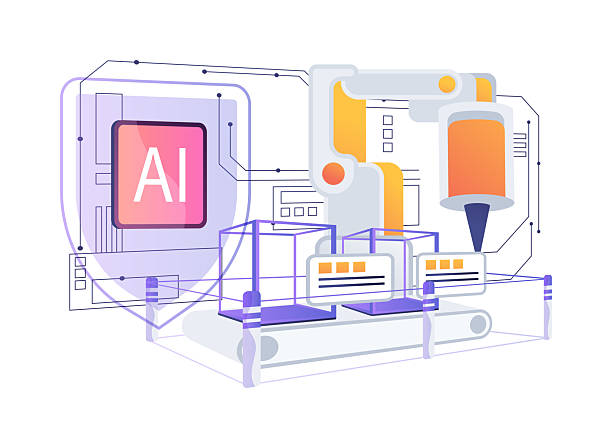
The integration of generative AI with existing manufacturing systems represents a transformative shift in the way production processes are approached. By embedding AI technology into traditional manufacturing frameworks, companies can enhance operational efficiency, reduce waste, and improve product design. The adaptability of generative AI allows it to seamlessly interact with various production systems, thereby enabling a more cohesive and streamlined manufacturing process https://dedicatted.com/services/generative-ai/manufacturing.
Generative AI is particularly adept at handling complex data sets, which are commonplace in manufacturing environments. By analyzing patterns and insights from historical production data, AI algorithms can optimize manufacturing workflows, ensuring that machines operate at peak performance. This results in reduced downtime and increased productivity, ultimately leading to cost savings for manufacturers.
Moreover, the integration of generative AI into manufacturing systems facilitates predictive maintenance, which is crucial in preventing equipment failures. By continuously monitoring the health of machinery, AI can predict potential malfunctions before they occur, thereby minimizing disruptions to production. This proactive approach not only enhances the longevity of equipment but also significantly improves the overall reliability of manufacturing operations.
Benefits of Implementing Generative AI in Manufacturing Processes
The implementation of generative AI in manufacturing processes offers a multitude of benefits that can transform the industrial landscape. One of the primary advantages is the enhancement of design capabilities. Generative AI can autonomously generate innovative designs that meet specific criteria, thereby reducing the time and resources typically required for product development. This capability allows manufacturers to rapidly iterate and test designs, ultimately leading to superior product offerings.
Another significant benefit is the increased efficiency in production processes. Generative AI can optimize supply chain management by predicting demand patterns and adjusting production schedules accordingly. This ensures that manufacturers can meet customer demands promptly while minimizing inventory costs. Additionally, AI-driven process improvements can lead to reductions in energy consumption, further contributing to a sustainable manufacturing environment.
Furthermore, generative AI facilitates enhanced quality control measures. By utilizing advanced machine learning algorithms, AI systems can detect defects and anomalies in real-time, ensuring that only products meeting the highest quality standards reach the market. This not only reduces the time and cost associated with rework but also enhances customer satisfaction by delivering consistently high-quality products.