
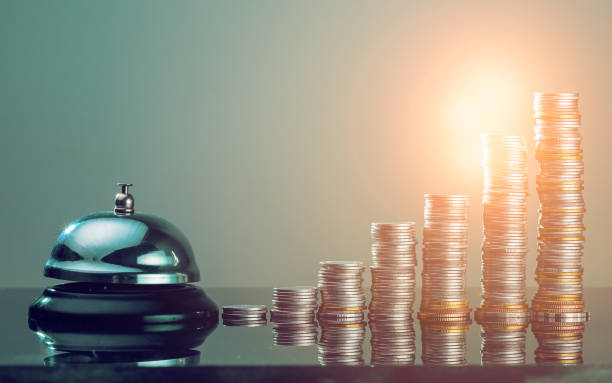
I swear hotel prices have a personal vendetta against us. You check a room on Monday, it’s ₹4,200. You tell yourself, “Okay fine, I’ll book tonight.” By evening it’s ₹5,100. Next morning? Somehow ₹3,900. It feels less like booking a room and more like playing the stock market without knowing the rules.
Honestly, when I first started noticing this, I thought hotel websites were just being shady. Like maybe they track us and increase prices when we look too interested. And yes, cookies and tracking do play a role sometimes, but the real reason is a bit more boring and a bit more complicated.
Demand Is the Real Boss Here
Hotel pricing mostly runs on supply and demand. Basic economics stuff we all learned in school and then forgot. Think of it like auto rickshaw fares during heavy rain. When it’s raining, everyone suddenly needs a ride. Drivers don’t officially change the meter, but somehow… you know what happens.
Hotels work the same way. If a city has a big concert, wedding season, cricket match, or even a random business conference, rooms start disappearing fast. The fewer rooms left, the higher the price goes. They use software that automatically increases prices when occupancy rises. No emotional attachment, just math.
I once tried booking a hotel in Jaipur during wedding season. Big mistake. Prices were almost double compared to two weeks later. Same hotel, same bed, same breakfast. Only difference was 200 baraatis in the city.
Algorithms Decide More Than Humans Do
Here’s something not many people realize. Most hotels don’t sit there manually changing prices every hour. They use revenue management systems. These are basically smart algorithms that predict demand and adjust prices in real time.
It’s kind of like how flight tickets work. The system studies booking patterns, local events, competitor prices, even weather forecasts sometimes. If bookings are slow, prices drop to attract people. If bookings are fast, prices go up because why sell cheap when people are already buying?
It feels unfair, but from a business perspective it’s smart. A hotel room that stays empty tonight can’t be sold tomorrow. Once the night passes, that revenue is gone forever. So they’re constantly adjusting to avoid empty rooms.
I read somewhere that big hotel chains can update prices multiple times a day. Not once. Multiple times. No wonder we feel confused.
Your Timing Matters More Than You Think
There’s also this weird timing game. Sometimes booking too early isn’t the cheapest option. Sometimes last minute is cheaper. It depends on demand forecasts.
If a hotel thinks a weekend will be packed, prices go up weeks in advance. But if bookings are slower than expected, they might suddenly drop prices a few days before check-in just to fill rooms.
I once booked a Goa hotel three months early thinking I was being responsible. My friend booked the same hotel two days before travel and paid less. I was not okay emotionally.
But then again, during New Year’s, last-minute bookings are basically financial suicide. So there’s no fixed formula. That’s what makes it annoying.
Competitors Are Watching Each Other
Hotels don’t operate in isolation. They constantly monitor competitor prices. If the hotel next door drops rates, others may follow. If one increases prices and still gets bookings, others might test higher prices too.
It’s like a silent pricing war. No one announces it, but everyone reacts.
There’s even data showing that around 60 percent of travelers compare at least three websites before booking. Hotels know this. So they adjust rates across platforms like Booking.com, MakeMyTrip, Agoda, and their own website.
And sometimes different sites show slightly different prices because of commissions or special deals. That’s why you’ll see people on Reddit saying, “Clear your cookies” or “Use incognito mode.” Honestly, sometimes it helps, sometimes it doesn’t. It’s not magic, but it makes us feel in control.
Seasons, Weekdays, Even the Day You Search
Hotel prices change depending on weekday vs weekend. Business hotels are more expensive during weekdays because corporate travelers fill rooms. Resort hotels are pricier on weekends because families and couples travel then.
Then there’s peak season and off-season. Hill stations in summer, beaches in winter, pilgrimage towns during festivals. Basic logic, but the price difference can be wild. Some properties drop 40 to 50 percent in off-season just to maintain occupancy.
There’s also this theory that Tuesday afternoons sometimes show better deals. I’ve tried testing it. Mixed results. I wouldn’t bet my savings on it.
Social Media and Online Hype Matter Too
Something interesting I noticed recently. When a place goes viral on Instagram or reels, demand shoots up. A hidden boutique hotel gets featured by influencers, suddenly everyone wants that exact balcony photo.
More demand, higher prices.
Online sentiment plays a role too. If reviews improve and ratings increase, hotels feel confident raising prices. On the flip side, if ratings drop, they might reduce rates to attract bookings.
It’s weird how much our collective internet behavior impacts pricing. One viral reel and your budget trip becomes premium.
Dynamic Pricing Isn’t Always Evil
I used to think dynamic pricing was pure greed. But the more I learned, the more I realized it’s survival for hotels.
Hotels have high fixed costs. Staff salaries, electricity, maintenance, loans. Even if half the rooms are empty, those costs don’t magically disappear. So they adjust pricing to balance occupancy and revenue.
Think of it like selling mangoes. If you have 100 mangoes and only 20 buyers, you lower the price so they don’t rot. If 200 buyers show up, you raise the price because supply is limited.
Not romantic, but practical.
So What Can We Actually Do?
Okay, this part is based on my trial and error, not some genius strategy.
Compare prices across platforms. Sometimes the hotel’s official site gives better deals with free breakfast or cancellation.
Book refundable rates when possible. Prices sometimes drop later and you can rebook cheaper.
Travel slightly off-peak if your schedule allows. Even shifting by one week can save a surprising amount.
And honestly, once you book at a price you’re comfortable with, stop checking. That’s the hardest part. Because checking again and seeing it cheaper hurts more than necessary.
Hotel pricing feels chaotic, but it’s mostly data-driven. No one is personally targeting your wallet. Even though it feels like it at 1 am while staring at your screen.
In the end, it’s a mix of algorithms, demand, events, competition, seasons, and a bit of internet madness. And yes, sometimes it still feels unfair. But at least now we know it’s not just random.